
Jana Hensel
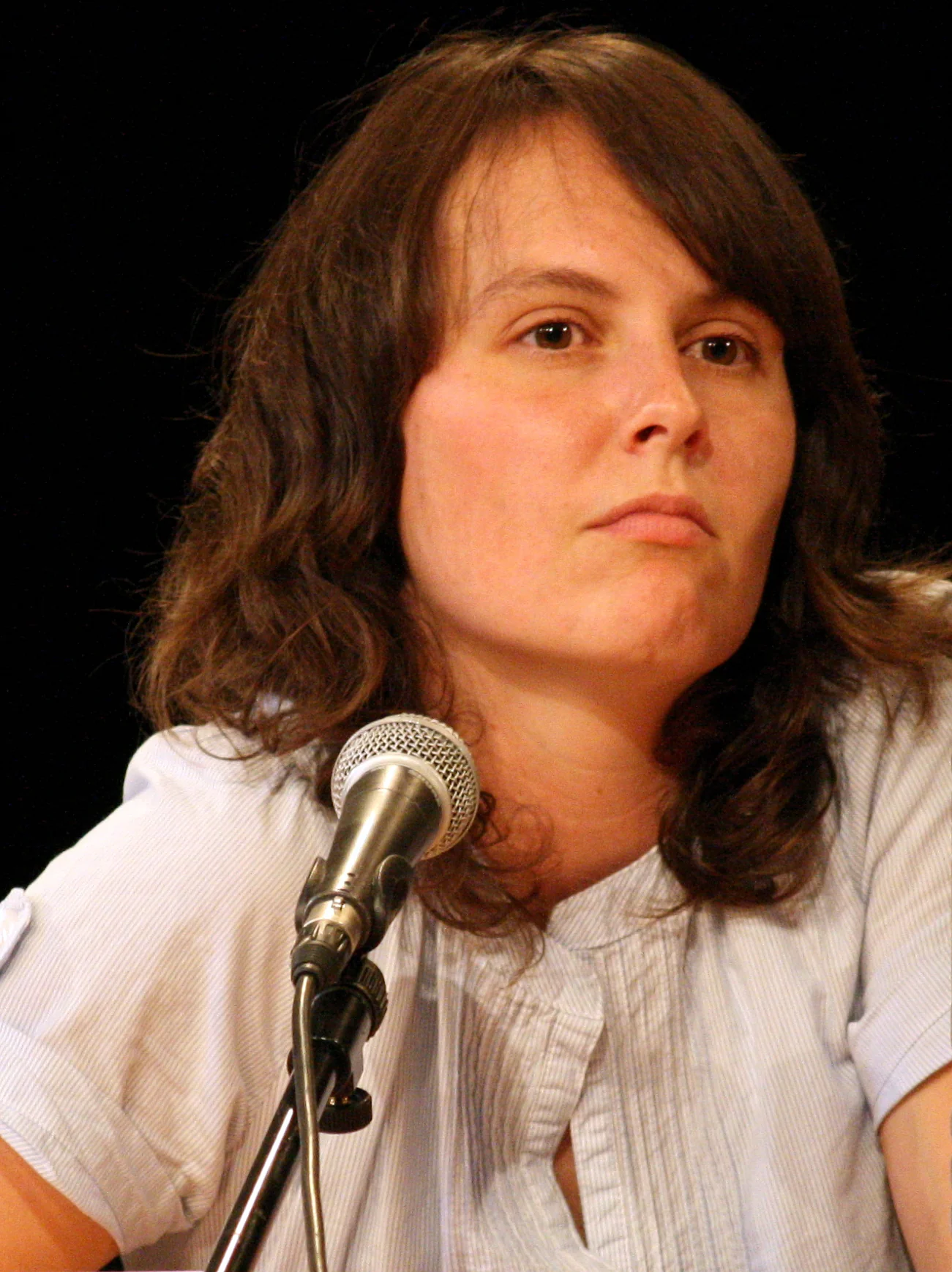
Image from Wikipedia
Image from Wikipedia
Jana Hensel: The Precise Voice of the East Between Literature, Journalism, and Political Present
An Author Who Transforms Memory into Present
Jana Hensel, born on July 3, 1976, in Borna, is one of the most distinctive voices in contemporary German literature and journalism. Her work is characterized by sharp, observational language, biographical condensation, and a determined engagement with East German experience after 1989. As an author and journalist, she has built a reputation over the years as a precise analyst of societal fractures. ([de.wikipedia.org](https://de.wikipedia.org/wiki/Jana_Hensel?utm_source=openai))
From an early age, Hensel connected personal memory with political observation. This perspective makes her texts unmistakable to this day: she writes not from a distance about transformation, but from a stance that simultaneously makes loss, adaptation, and new self-location visible. The special power of her publications lies exactly in this, reaching far beyond mere biography. ([munzinger.de](https://www.munzinger.de/register/portrait/klg/hensel%20jana/16/5002?utm_source=openai))
Biographical Roots: Leipzig, Literature, and the Perspective on the Turning Point
Growing up in Leipzig, Jana Hensel studied German and Romance languages and developed an early literary and journalistic sensitivity to language, structure, and societal change. Her biographical background in the GDR and the experiences of upheaval after 1989 profoundly shape her perspective. This constellation explains why her texts always also engage in cultural self-assurance. ([zeit.de](https://www.zeit.de/autoren/H/Jana_Hensel/index.xml?utm_source=openai))
Her origins from East Germany are not just a detail but the core of her public and literary profile. Hensel is regarded as one of the important voices in the discussion of East German identity, memory culture, and political self-description. Her work focuses precisely on where individual experience is translated into societal language. ([zeit.de](https://www.zeit.de/autoren/H/Jana_Hensel/index.xml?utm_source=openai))
The Breakthrough with “Zonenkinder” and the Birth of a Public Author
Jana Hensel achieved her major breakthrough in 2002 with “Zonenkinder,” a book that became a bestseller and significantly shaped the debate about East German realities after the reunification. The work falls within the realm of autobiographical memory literature, exploring the search for lost memories and identity as well as the tension between personal experience and collective history. ([munzinger.de](https://www.munzinger.de/register/portrait/klg/hensel%20jana/16/5002?utm_source=openai))
With this book, Hensel became not only literarily visible but also turned into a public intellectual. Her texts resonate because they do not provide comfortable answers but showcase the feelings of a generation that grew up in two systems. The impact of “Zonenkinder” thus extends far beyond the book market into the realms of literary criticism, contemporary diagnosis, and memory politics. ([munzinger.de](https://www.munzinger.de/register/portrait/klg/hensel%20jana/16/5002?utm_source=openai))
Journalistic Development: Essays, Reports, and Political Sharpness
In addition to her literary work, Jana Hensel has continuously established herself as a journalist. She writes for DIE ZEIT, covering federal politics, the Greens, and East German topics while connecting analysis with a distinctly clear tone. On the author page of ZEIT, she is described as a journalist with several books and as an author who received the Theodor-Wolff Prize in the essay category in 2010. ([zeit.de](https://www.zeit.de/autoren/H/Jana_Hensel/index.xml?utm_source=openai))
In 2019, she was named "Journalist of the Year" in the Culture category by Medium Magazin, an award that underscores her status in the German literary criticism. Her journalistic work reflects the same attitude as her books: accurate observation, analytical sharpening, and a keen sense for societal conflict lines. Thus, a body of work emerges that combines journalistic authority with literary depth. ([de.wikipedia.org](https://de.wikipedia.org/wiki/Jana_Hensel?utm_source=openai))
Key Books and Thematic Lines
Among the defining titles in Jana Hensel's oeuvre, alongside “Zonenkinder,” are the essay collection “Achtung Zone – Warum wir Ostdeutschen anders bleiben sollten” and the later anthology “Wie alles anders bleibt – Geschichten aus Ostdeutschland.” These publications show a consistent thematic line: Hensel investigates the aftereffects of German reunification, the persistence of regional identities, and the question of how political upheavals inscribe themselves into biographies. ([de-academic.com](https://de-academic.com/dic.nsf/dewiki/681988?utm_source=openai))
With “Es war einmal ein Land. Warum sich der Osten von der Demokratie verabschiedet,” which will be published in 2025 or more recently, she presents another book that extends her engagement with East Germany into the current political situation. The DNB records this title, and the ZEIT author page lists it as her latest book. This shows Hensel as an author who does not nostalgically repeat her early themes but continuously translates them into new present contexts. ([portal.dnb.de](https://portal.dnb.de/opac.htm?cqlMode=true&method=simpleSearch&query=idn%3D1388960265&utm_source=openai))
Style and Handwriting: Analytical, Personal, and Culturally Aware
Jana Hensel's writing style combines autobiographical experience with political observation. Her texts often work with precise contrasts, fragments of memory, and a clear, essayistic dramaturgy. It is this combination of personal voice and societal analysis that makes her works so recognizable in German-language journalism. ([munzinger.de](https://www.munzinger.de/register/portrait/klg/hensel%20jana/16/5002?utm_source=openai))
Her strengths lie in condensation: Hensel does not abstractly present complex historical processes but makes them comprehensible through experiences, milieus, and mental shifts. In cultural criticism as well as in political journalism, a style emerges that remains sharply argumentative, linguistically controlled, and yet emotionally relatable. This also explains why her texts continually set reference points in the cultural discourse and in the debate about East Germany. ([de.wikipedia.org](https://de.wikipedia.org/wiki/Jana_Hensel?utm_source=openai))
Cultural Influence and Public Relevance
Jana Hensel's cultural influence lies primarily in her permanent integration of the East German perspective into the West German discourse. She is among those voices that do not level the internal German differences but take them seriously from an analytic standpoint. Her books and essays have contributed to a more nuanced understanding of East Germany as a historical, social, and mental experiential space. ([bra.nrw.de](https://www.bra.nrw.de/system/files/media/document/file/changemagazin2019.pdf?utm_source=openai))
Her involvement in public discussion formats, essays, and debates also reflects this status. Whether in literature, politics, or media criticism: Hensel stands for a form of intellectual journalism that synthesizes origin, structural change, and questions of democracy. This is precisely why her name remains present and relevant in cultural-political discussions. ([roemerberggespraeche-ffm.de](https://roemerberggespraeche-ffm.de/referenten/jana-hensel/?utm_source=openai))
Current Work and Present
In 2026, Jana Hensel continues to be active in journalism, writing for DIE ZEIT about political topics such as the Greens, the SPD, and the East German perspective on current developments. This continuity shows that she does not view her role as a concluded author biography but as an ongoing observation of German present realities. Her work thus remains close to the significant conflicts of the era. ([zeit.de](https://www.zeit.de/autoren/H/Jana_Hensel/index.xml?utm_source=openai))
It is precisely in this contemporaneity that the strength of her profile lies: Hensel combines the memory of the GDR and the transformation years with an analysis of the present. Her work is therefore not only a literary document of its time but also a political commentary and cultural diagnosis. Readers of her texts do not receive convenient slogans but a thoughtful, precise, and sometimes uncomfortable picture of German reality. ([de.wikipedia.org](https://de.wikipedia.org/wiki/Jana_Hensel?utm_source=openai))
Conclusion: Why Jana Hensel Remains So Fascinating
Jana Hensel is captivating because she has made public language from personal experience. Her books and essays have shaped the debate about East Germany, her journalistic work sharpens the view on contemporary issues and democracy, and her stance remains consistent: clear, reflective, and culturally aware. Anyone interested in German contemporary history, literature, and political journalism will find in her work an important point of orientation. ([munzinger.de](https://www.munzinger.de/register/portrait/klg/hensel%20jana/16/5002?utm_source=openai))
For this reason, the reading of her texts remains worthwhile time and again. Jana Hensel's works are not to be scanned casually, but rather are an invitation to understand one’s present more closely. Those who experience her stance and observation live in readings, discussions, or interviews encounter an author who sets standards with linguistic precision and intellectual clarity. ([zeit.de](https://www.zeit.de/autoren/H/Jana_Hensel/index.xml?utm_source=openai))
Official Channels of Jana Hensel:
- Instagram: no official profile found
- Facebook: no official profile found
- YouTube: no official profile found
- Spotify: no official profile found
- TikTok: no official profile found
Sources:
Upcoming Events
Once upon a time in a land: Why the East is saying goodbye to democracy
Jana Hensel reads from Once Upon a Time There Was a Country in Schwerin
Jana Hensel reads in Potsdam from Once Upon a Time There Was a Country