Jean-Baptiste Oudry
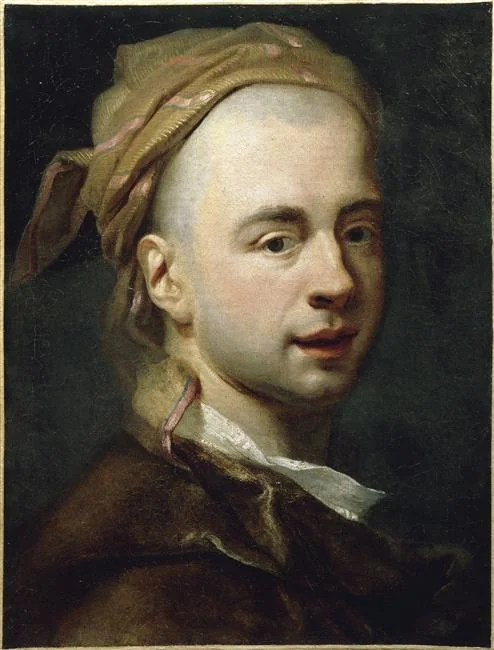
Image from Wikipedia
Image from Wikipedia
Jean-Baptiste Oudry – the great master of French animal and hunt painting
A Rococo artist between nature observation, courtly elegance, and painterly precision
Jean-Baptiste Oudry is one of the most prominent French painters of the 18th century. Born in 1686 in Paris and died in 1755 in Beauvais, he evolved from the son of a painter and art dealer to a celebrated representative of the French Academy and one of the most important animal and hunt painters of his time. His art combines precise nature observation with decorative grandeur, making him a key figure of the Rococo to this day. ([arts-graphiques.louvre.fr](https://arts-graphiques.louvre.fr/detail/artistes/0/1921-OUDRY-Jean-Baptiste?utm_source=openai))
Biography: Education in Paris and the path to the Academy
Oudry was born into an artistic milieu: his father Jacques was a painter and art dealer. After an early education in the Parisian environment, Oudry worked with Michel Serre and later with Nicolas de Largillière, a prominent portraitist of his era. These years of apprenticeship shaped his technical prowess, his sense of surface, and his eye for staging – qualities that would later unfold in his depictions of animals and courtly subjects. In 1717, he became an associate member, and in 1719 a full member of the Royal Academy of Painting and Sculpture. ([arts-graphiques.louvre.fr](https://arts-graphiques.louvre.fr/detail/artistes/0/1921-OUDRY-Jean-Baptiste?utm_source=openai))
The early Oudry initially worked with modest success as a portraitist. It was only with his specialization in animals, hunting scenes, and still lifes that he found his distinctive artistic voice. This development was not by chance, but rather a consistent shift towards a subject in which he could ideally combine observation, composition, and courtly taste. This not only gave him formal mastery but also made him highly relevant to the art world of the Ancien Régime. ([matthiesengallery.com](https://www.matthiesengallery.com/artist/oudry-jean-baptiste?utm_source=openai))
Career highlights: Court, hunt, and the art of representative nature
Oudry rose to become the painter of the royal hunts and gained the favor of Louis XV. Especially in the first third of the 18th century, he established himself as the leading French painter of animal and hunting scenes. His works combine precision in fur, feathers, and anatomy with a theater of courtly representation; for him, the hunt is never merely a document but a cipher of power, taste, and order. The National Gallery of Art describes him as the leading painter of still lifes and hunting scenes in France in the first half of the 18th century. ([nga.gov](https://www.nga.gov/sites/default/files/migrate_images/content/dam/ngaweb/research/publications/pdfs/art-for-the-nation-collecting.pdf?utm_source=openai))
Some of his best-known works include numerous depictions of dogs, hunting still lifes, and scenes with living and dead animals, in which he virtuously balances movement, tension, and tactile materiality. Works such as Misse and Luttine or Henri Camille, Chevalier de Beringhen show how Oudry integrates animals, figures, landscapes, and status symbols into complex pictorial spaces. The Louvre boasts an extensive body of work, highlighting his great productivity and established place in French painting. ([nga.gov](https://www.nga.gov/artists/2670-jean-baptiste-oudry?utm_source=openai))
Work and style: Between Rococo, naturalism, and decorative brilliance
Oudry's style thrives on a rare balance: on one hand, he possesses an almost scientific accuracy in depicting animal bodies; on the other hand, he imbues his images with a dazzling, courtly elegance. Matthiesen Gallery describes this tension as a interplay of naive naturalism and theatrical effects; it is precisely from this that Oudry's distinctive language emerges. His painting never appears cold, but always lively, attentive, and imbued with a quiet drama. ([matthiesengallery.com](https://www.matthiesengallery.com/artist/oudry-jean-baptiste?utm_source=openai))
Oudry is particularly strong where he relates surfaces: shiny fur, feathered plumage, metal, fabric, foliage, gun, dog leash, or prey. The gaze does not linger on individual details but follows a carefully orchestrated composition. This mixture of exact observation and decorative order makes him an artist who resonates with the spirit of the Enlightenment as well as the taste of the Rococo. ([nga.gov](https://www.nga.gov/sites/default/files/migrate_images/content/dam/ngaweb/research/publications/pdfs/art-for-the-nation-collecting.pdf?utm_source=openai))
Still lifes, hunting scenes, and the grand visual culture of the 18th century
Oudry's work is closely tied to the visual worlds of the French court. He painted not only animals but also shaped an entire visual culture of hunting, where the mastery of nature, elegance, and aristocratic self-staging converge. His still lifes and hunting scenes thus belong to a larger art-historical context where representation, collecting passion, and courtly distinction intertwine. Scholarly literature continually emphasizes how significantly he influenced French painting of the era. ([nga.gov](https://www.nga.gov/sites/default/files/migrate_images/content/dam/ngaweb/research/publications/pdfs/art-for-the-nation-collecting.pdf?utm_source=openai))
The number of works attributed to him is remarkably high; the Louvre catalog lists hundreds of works, while the National Gallery of Art holds numerous paintings and drawings. This presence in major museum collections not only attests to his historical significance but also to the lasting relevance of his oeuvre for art history. Oudry is not a marginal name in the Rococo but a central figure shaping its visual language. ([arts-graphiques.louvre.fr](https://arts-graphiques.louvre.fr/detail/artistes/0/1921-OUDRY-Jean-Baptiste?utm_source=openai))
Reception and art-historical significance
During his lifetime, Oudry was highly regarded; sources describe him as a painter and academic valued by the king. Later art-historical representations highlight his role as a leading animal painter and emphasize his influence on 18th-century French painting. His works embody a rare type: an artist who compellingly unites both the decorative demands of the court and a precise, almost modern perception of nature. ([nga.gov](https://www.nga.gov/sites/default/files/migrate_images/content/dam/ngaweb/research/publications/pdfs/art-for-the-nation-collecting.pdf?utm_source=openai))
Moreover, his museum legacy speaks to his enduring authority. The Metropolitan Museum and the National Gallery of Art include Oudry in their research and collection contexts, while the Louvre meticulously documents his biography and work. Altogether, a picture emerges of a painter whose work mediates between craftsmanship, court culture, and high art, while developing a remarkably modern sensitivity towards animals and materiality. ([resources.metmuseum.org](https://resources.metmuseum.org/resources/metpublications/pdf/French_Paintings_in_The_Metropolitan_Museum_of_Art.pdf?utm_source=openai))
Current projects and publications
Since Jean-Baptiste Oudry lived in the 18th century, there are no current music projects, albums, singles, or tours. For a contemporary artist's page, this means: the focus is not on new releases but on the ongoing reception of his work in museums, research, and the art market. His relevance arises from his permanent presence in collections and from the continued art-historical engagement with his oeuvre. ([arts-graphiques.louvre.fr](https://arts-graphiques.louvre.fr/detail/artistes/0/1921-OUDRY-Jean-Baptiste?utm_source=openai))
Conclusion: Why Jean-Baptiste Oudry continues to fascinate today
Jean-Baptiste Oudry fascinates because he unites nature, power, and elegance in a visual language that is as precise as it is poetic. His animal representations appear lively, his hunting scenes aristocratic, and his still lifes possess a quiet dignity that goes far beyond mere decoration. Anyone who observes Oudry discovers not only a great Rococo painter but also a master of observation and staging. A visit to his works in the museum is worthwhile for those who wish to experience French art history in its finest form. ([nga.gov](https://www.nga.gov/sites/default/files/migrate_images/content/dam/ngaweb/research/publications/pdfs/art-for-the-nation-collecting.pdf?utm_source=openai))
Official channels of Jean-Baptiste Oudry:
- Instagram: no official profile found
- Facebook: no official profile found
- YouTube: no official profile found
- Spotify: no official profile found
- TikTok: no official profile found
Sources:
Upcoming Events
Public Tour: Oudry's Fascinating Animal World