
Ulla Meinecke
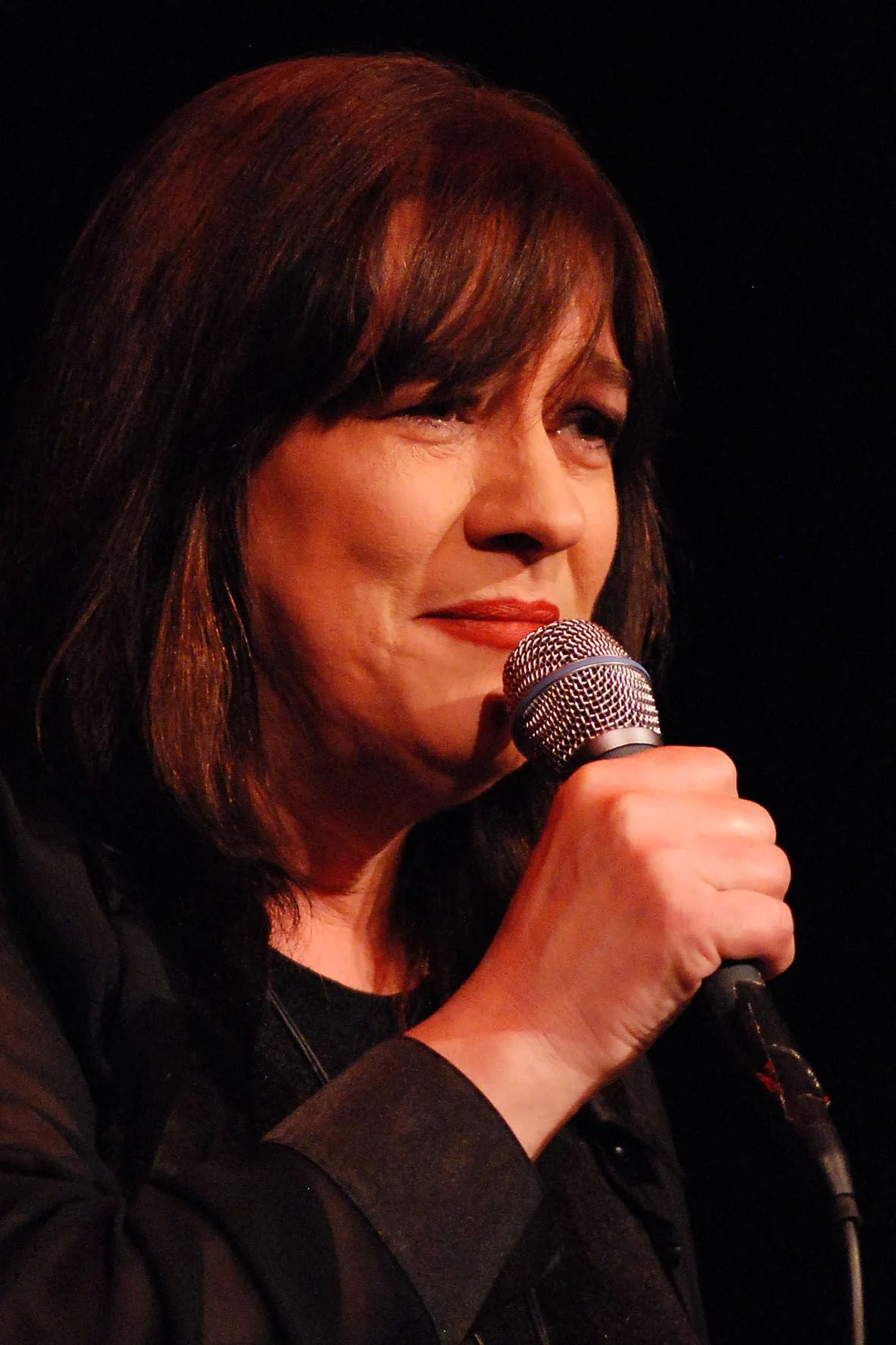
Image from Wikipedia
Image from Wikipedia
Ulla Meinecke – The Language of Love, Irony, and Urban Pop
A German Song Poet with a Distinct Voice and Attitude
Ulla Meinecke, born on August 14, 1953, in Usingen, is one of the defining voices of German-speaking pop music in the 1980s. Her work combines clever lyrics, melodic precision, and a clear artistic signature that goes far beyond mere radio hits. She wrote her own songs from an early age and developed a musical career that brought together observational talent, stage presence, and literary sensitivity. (de.wikipedia.org)
Biographical Roots: From Taunus to Frankfurt, Hamburg, and Berlin
Growing up in Wallau an der Lahn and later in Frankfurt am Main, Ulla Meinecke completed her Abitur there and began writing as a teenager. Her encounter with Udo Lindenberg in 1976 marked a turning point: she moved to Hamburg, managed Lindenberg's office, and found the courage to pursue her own songs as a vocation. In 1977, she released her debut album Von toten Tigern und nassen Katzen, which was still heavily influenced by Lindenberg's musical environment. In 1979, she moved to West Berlin, where her artistic profile further refined. (de.wikipedia.org)
The Early Style: Between Singer-Songwriter Tradition, Rock, and Urban Observation
Even her early releases show that Ulla Meinecke never confined herself to a single genre. Her songs carry the structure of German pop but simultaneously embrace rock arrangements, narrative imagery, and often laconic, precise language. With Meinecke Fuchs, she became known to a wider audience and established a form of pop that relies not on pose but on observation and character portrayal. AllMusic aptly describes her as a "rock poet" and emphasizes how strongly she shapes the complexity of love from a female perspective. (de.wikipedia.org)
The Breakthrough of the 1980s: Chart Success, Awards, and National Attention
The real breakthrough came with the albums Wenn schon nicht für immer, dann wenigstens für ewig (1983) and Der Stolz italienischer Frauen (1985). These records marked the moment when Ulla Meinecke became a fixture in German pop music and achieved national chart placements. Wikipedia and press reviews highlight that she also received important awards during this phase, including the Goldene Europa and the Deutscher Kleinkunstpreis. The music press described this style as a return of tasteful, intelligent German songcraft. (de.wikipedia.org)
The Artistic High Phase of the 1980s: Hits, Tours, and Stage Authority
Some of her most famous songs include Die Tänzerin, Der Stolz italienischer Frauen, Nackt im Wind, and later also Schlendern ist Luxus or Ein Schritt vor und zwei zurück. The successful touring phase was documented with the live double album Kurz vor 8, which impressively captured her presence as a singer and storyteller on stage. This live dimension is central to her profile: Meinecke not only sings but also comments, dissects, and condenses everyday experiences into song miniatures. This makes her concerts, even today, encounters with a distinctive pop aesthetic. (de.wikipedia.org)
Discography: Albums Between Independence, Cover Art, and Live Intensity
The discography showcases an artist on a steady path of development. Following her early albums, she released, among others, Überdosis Großstadt (1980), Nächtelang (1981), Erst mal gucken – dann mal sehen (1988), Löwen (1991), An! (1994), and Die Luft ist rein (2002). Notably, on Löwen, she presented her own reimagined cover versions of English-language songs, thereby underscoring her strength as a translator of emotions into her unique German language. The body of work is complemented by compilations such as Lied für dich, Im Augenblick, and Das Beste, as well as several live releases. (de.wikipedia.org)
Musical Development: From Singer-Songwriter to Literary Narrator
In the 1980s, significant producers like Herwig Mitteregger and Udo Arndt worked on her sound, and later, her work opened further to readings, audiobooks, and stage projects. With Die Abenteuer des Tom Sawyer as an audiobook and the book Im Augenblick, she expanded her art to include narrative forms, without displacing music from the center. This development shows an artist who thinks about arrangement, language, and dramaturgy concurrently. This is precisely where her special expertise in the realm of German pop lies: in the confluence of song, text, and scene. (de.wikipedia.org)
Critical Reception: Recognition as the Grande Dame of German Pop
The press has recognized Ulla Meinecke for years as a sovereign, independent voice. Deutschlandfunk Kultur labeled her "Grande Dame of German pop music," while SWR highlighted her significant, slightly husky voice and her precise word choice. Even in more recent interviews, her art is described as timeless because her songs unite observations of everyday life, emotional truth, and stylistic clarity. The reception makes it clear: Meinecke stands for pop with substance, not for fleeting effects. (swr.de)
Cultural Influence: Song Poetry Beyond the Mainstream
Ulla Meinecke has shaped German-speaking pop music by early on combining a female perspective with literary precision and urban ease. Her lyrics deal with relationships, assertion of self, distance, and vulnerability, but never descend into the banal. In portraits and concert announcements, it is often emphasized that she has carved out a place for herself beyond the mainstream while simultaneously reaching a large audience. Her influence is particularly evident in that many of her songs do not age but resonate anew with each generation. (de.wikipedia.org)
Current Projects and Stage Presence
Even in the current concert scene, Ulla Meinecke remains actively present. Recent reports from 2025 and 2026 describe tour programs in a duo format with her long-time pianist Reimar Henschke, as well as performances featuring a mix of hits and new material. Concert announcements mention "songs and stories" and programs that include well-known titles alongside fresh pieces. This shows: Her music career is not a nostalgic relic but a vibrant present. (agentur-reisinger.de)
Conclusion: Why Ulla Meinecke Remains Engaging Today
Ulla Meinecke is compelling because she has never reduced pop to mere pleasingness. Her career combines authority, experience, and artistic independence: a clear language, a distinctive voice, strong songs, and a stage presence that still captivates. Anyone wishing to understand German pop history cannot overlook her. Those who experience her art live encounter a musician who has transformed storytelling in song into a unique form of truth. (de.wikipedia.org)
Official Channels of Ulla Meinecke:
- Instagram: no official profile found
- Facebook: no official profile found
- YouTube: no official profile found
- Spotify: no official profile found
- TikTok: no official profile found
Sources:
- Ulla Meinecke – Wikipedia
- AllMusic – Ulla Meinecke Biography, Discography, Albums & Expert Reviews
- Munzinger – Ulla Meinecke Biography
- Tagesspiegel – Ulla Meinecke: In the Storm of Unspeakables
- Deutschlandfunk Kultur – Singer Ulla Meinecke: "Most of my stuff is really timeless"
- SWR Kultur – Interview with Ulla Meinecke
- Deutsche Mugge – Interview with Ulla Meinecke
- Kreiszeitung – The Song Poet Ulla Meinecke is Coming to Schmalförden
- Wikipedia: Image and Text Source